Captain’s Log: August 23, 2026
Steven F. Udvar-Hazy Center • Annandale • Manassas, Virginia
This wasn’t where we were supposed to go.
The original plan for the day was Great Falls of the Potomac. Sometimes, though, plans change. Illness in the family meant that particular expedition wasn’t going to happen, and Great Falls was returned to the list for another day.
But changing the destination didn’t mean giving up on going.
So we changed course.
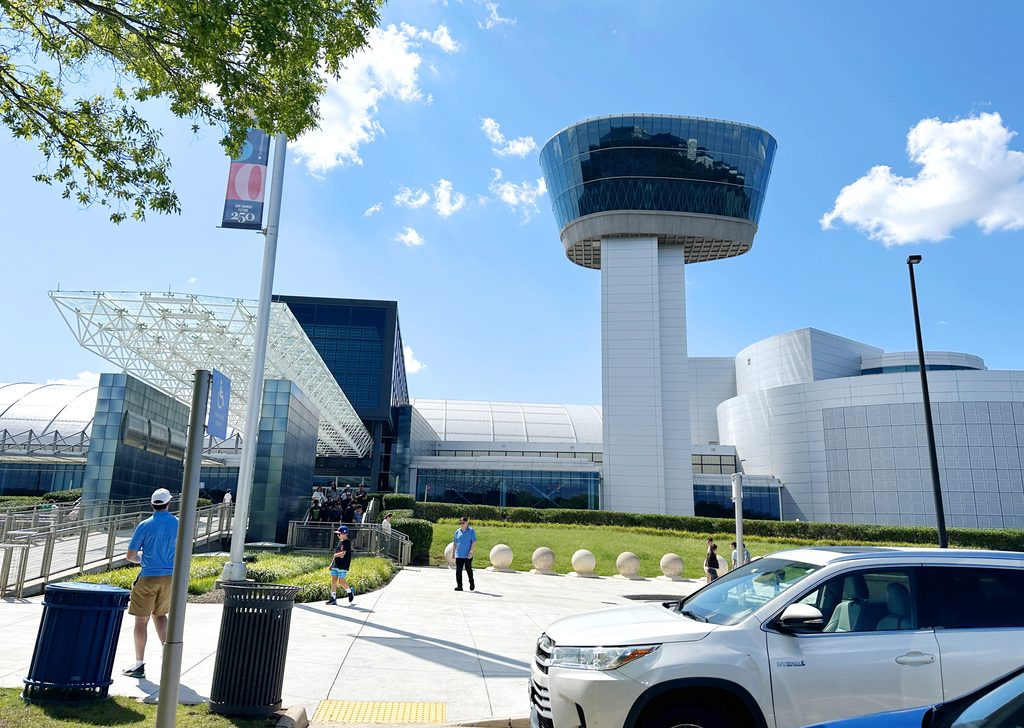
The new destination was the Steven F. Udvar-Hazy Center of the National Air and Space Museum in Chantilly, Virginia.
And, as it turned out, there was something waiting for me there that went considerably deeper than airplanes.
Looking Up
I have been fascinated by the Space Shuttle for as long as I can remember.
When I was growing up, the shuttle program represented something enormous to me. Those strange, beautiful spacecraft weren’t simply machines that went into orbit. They represented possibility.
They made me look up.
For a kid who once dreamed about becoming an astronaut, the shuttle was evidence that there were still extraordinary places to go and extraordinary things left for us to do.
More than that, I think they gave me hope.
They made the future seem like someplace worth reaching.
That is probably why the end of the Space Shuttle program affected me as much as it did. I understood the reasons. Programs end. Technology changes. Exploration moves forward.
But emotionally?
It felt like a small light had gone out.
For years afterward, American human spaceflight simply didn’t have quite the same hold on me.
Then came Artemis.
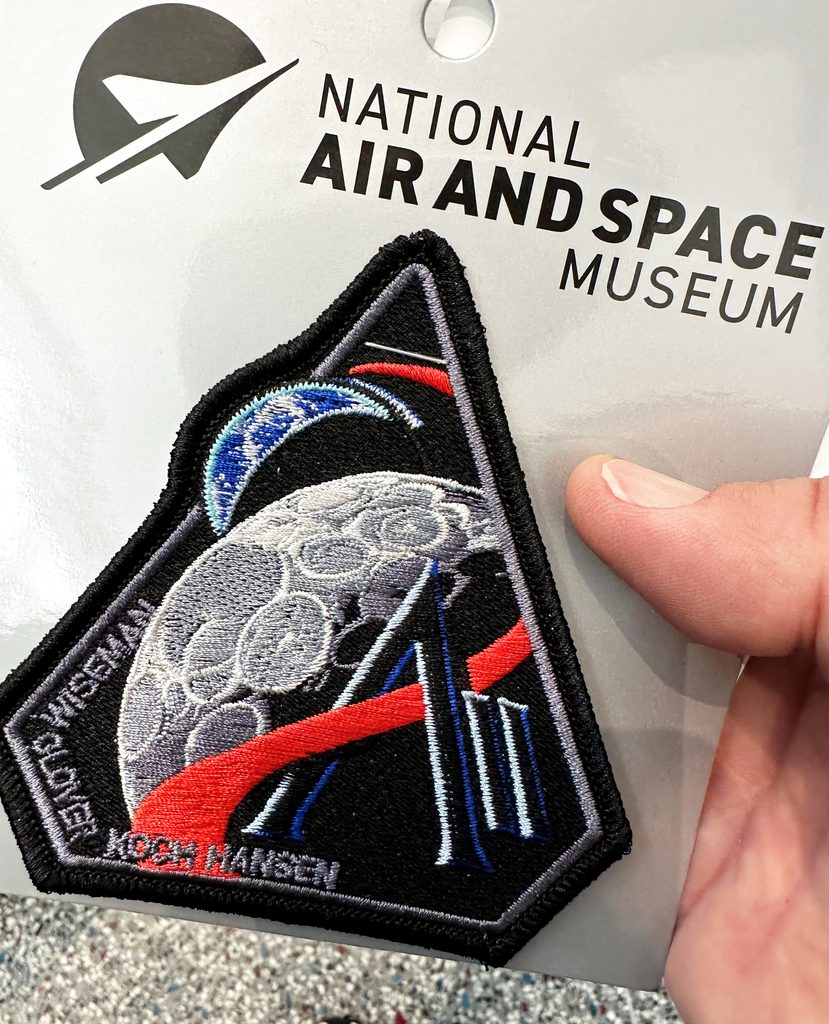
When Artemis II carried human beings around the Moon, something familiar stirred again. Watching people venture beyond low Earth orbit rekindled a spark I hadn’t realized I’d missed quite so much.
We were going somewhere again.
And that matters to me.
An Old Friend
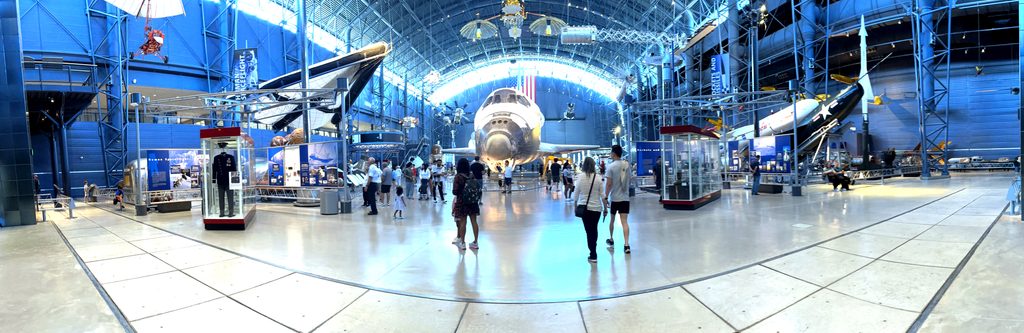
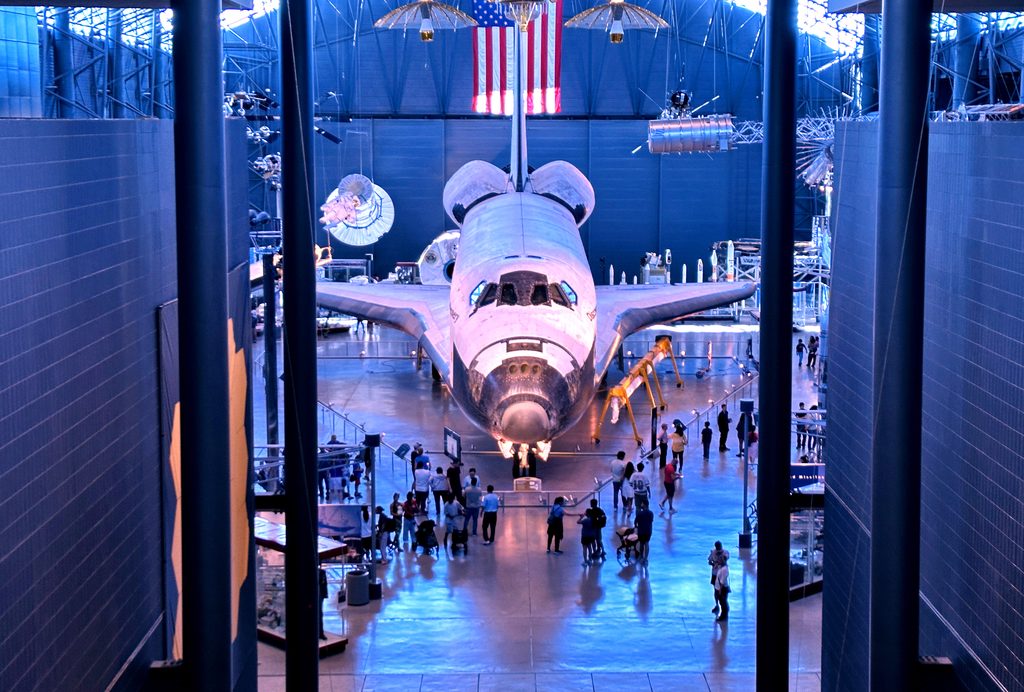
Then there she was.
Discovery.
I’ve seen the Space Shuttle Discovery before, but that doesn’t seem to matter.
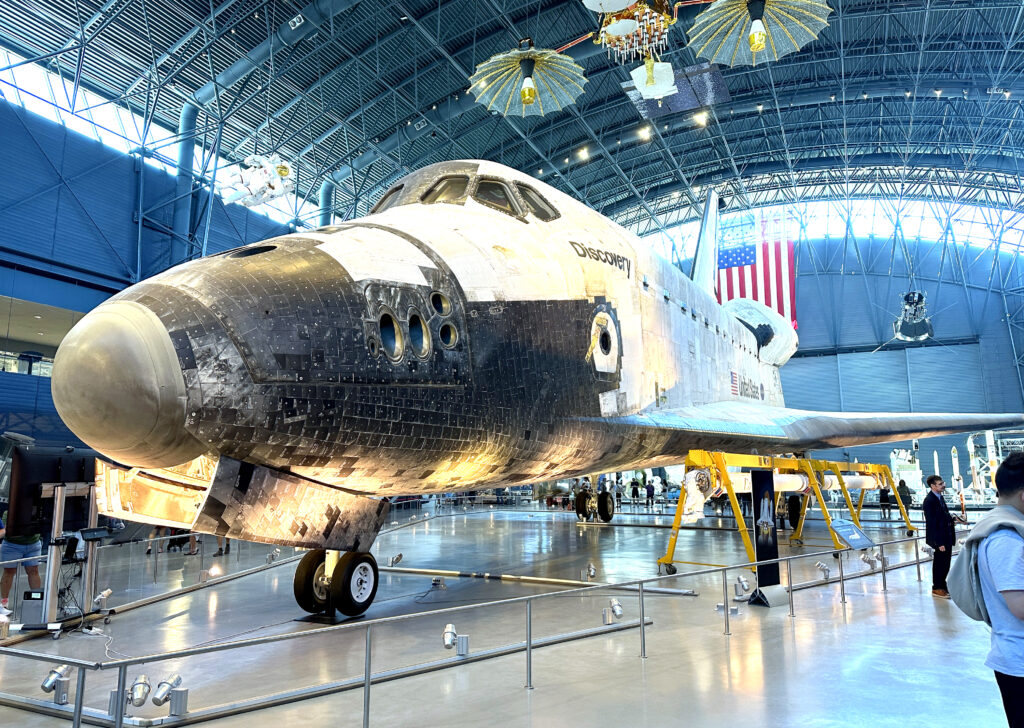
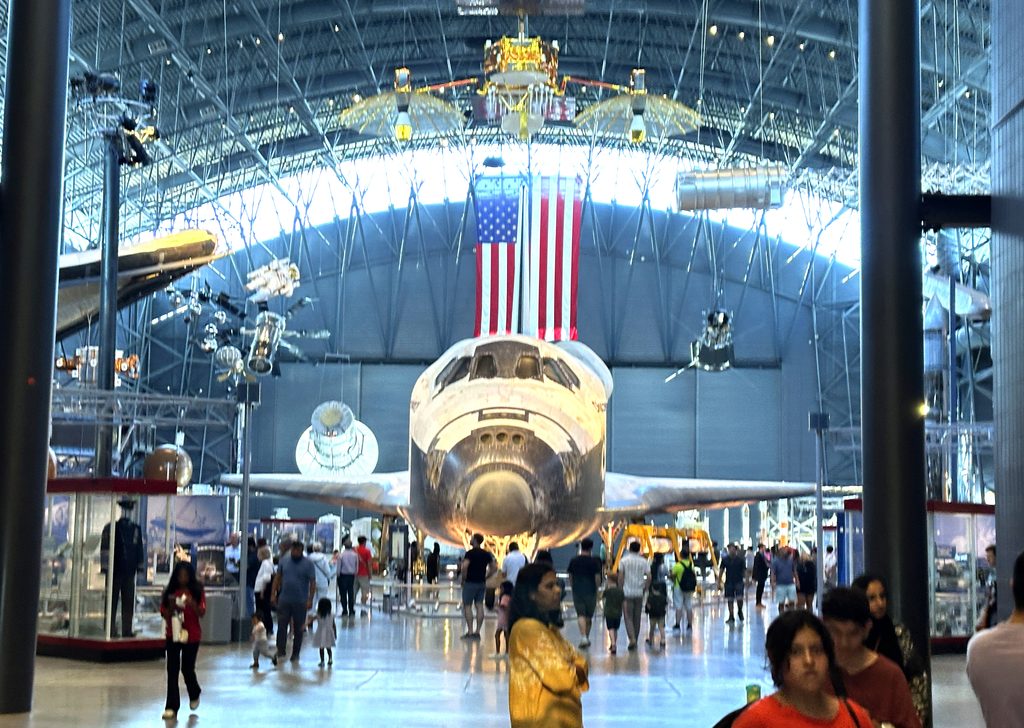
Walking into the hangar and seeing her sitting there still feels like encountering an old friend.
The scorch marks remain on her thermal protection system. She isn’t a pristine artist’s conception of a spacecraft or a replica made to represent what once happened.
She went.
Discovery flew 39 missions, spent a cumulative year in space, carried people and machines into orbit, deployed Hubble, helped build the International Space Station, and came home again and again.
And now you can stand beneath her.
For me, though, there is another connection between those orbiters and this project.
One of Discovery’s sisters was Space Shuttle Endeavour.
When I began searching for the identity of this project, Endeavour kept coming back to me. There are many reasons the name fits, but the shuttle is one of them.
Endeavour was an explorer.
So is ours.
Not because our journeys compare to carrying people into space. They obviously don’t.
But because the impulse behind the name is the same one that captured my imagination when I was a kid:
Go.
See what’s there.
And come home having experienced something you couldn’t have experienced by staying where you were.
Standing there looking at Discovery, that connection felt particularly appropriate.
Wings, Machines and Stories
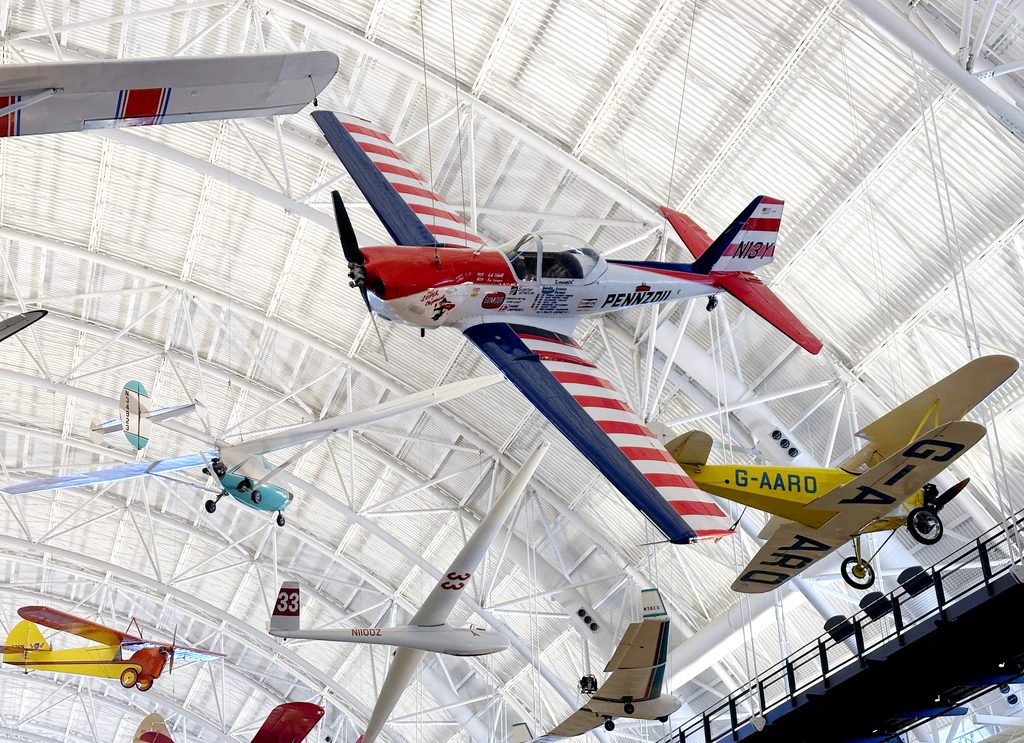
Of course, it is almost impossible to visit Udvar-Hazy and look at only one thing.
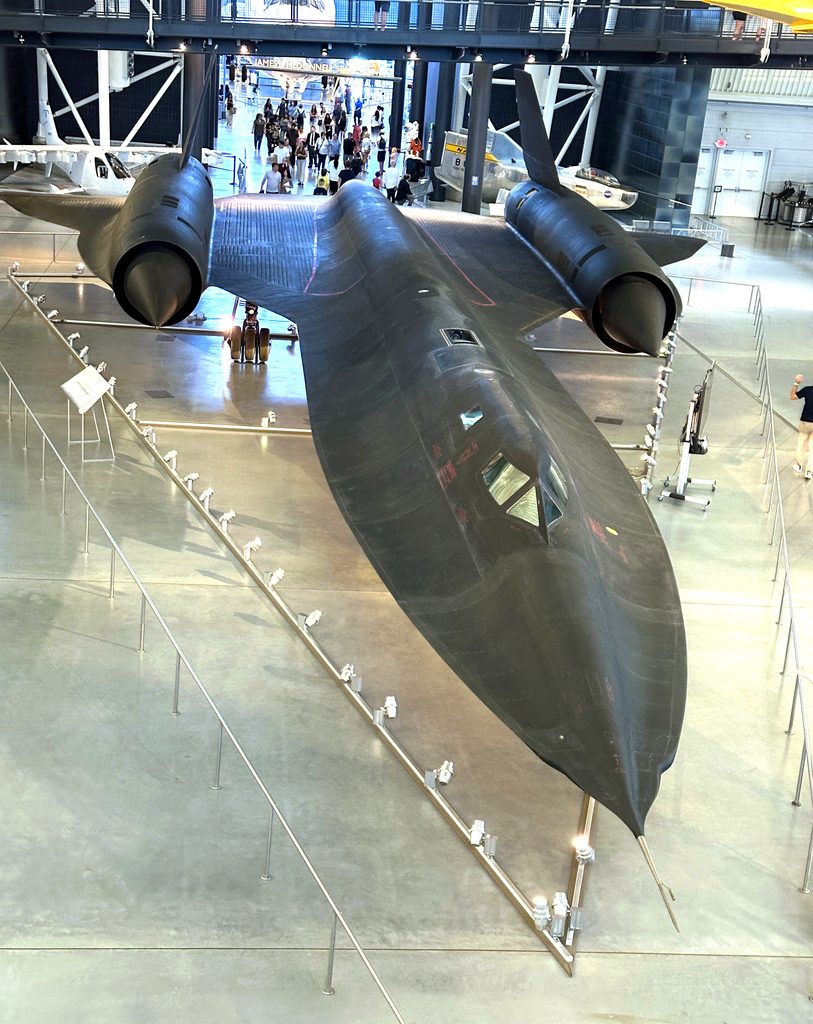
The building itself encourages wandering.
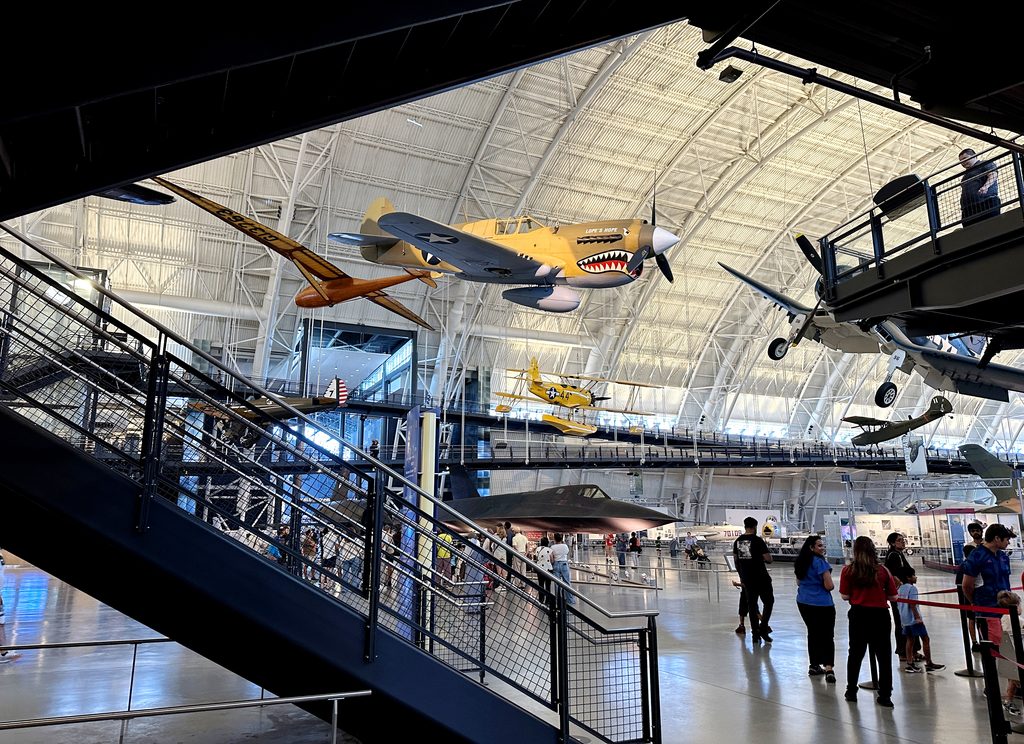
An SR-71 Blackbird dominates one end of the museum. Fighters, bombers, helicopters and experimental aircraft occupy seemingly every available patch of floor and ceiling. Aircraft that once existed to fly faster, farther or differently than anything before them now sit within a few steps of one another.
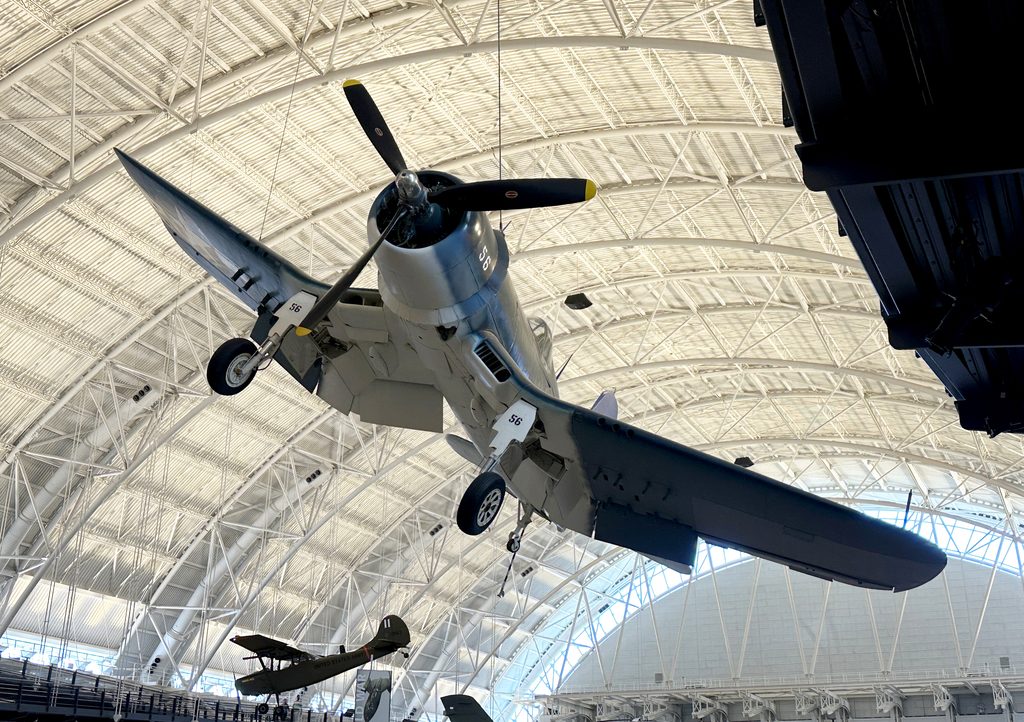
There is something wonderful about that density.
Every machine represents somebody asking some variation of:
Can we do this?
And then trying.
That’s a pretty good philosophy for an expedition, too.
And Then We Kept Going
Leaving the museum didn’t end the day.

We headed into Annandale and stopped at Lil’ Thingamajigs, the sort of store where wandering around without knowing exactly what you’re looking for is half the point.
That led to another discovery in the same shopping center: Shilla Bakery & Cafe.
There is something I increasingly like about these unplanned additions to a trip. The primary destination gets you moving, but once you’re out there, other things appear.
A shop you didn’t know about.
A bakery you hadn’t planned to visit.
Something interesting around the next corner.
They aren’t distractions from the mission.
They’re part of it.
Eventually our wandering carried us farther west to Manassas and another familiar objective: Benny Capolago’s Pizza.
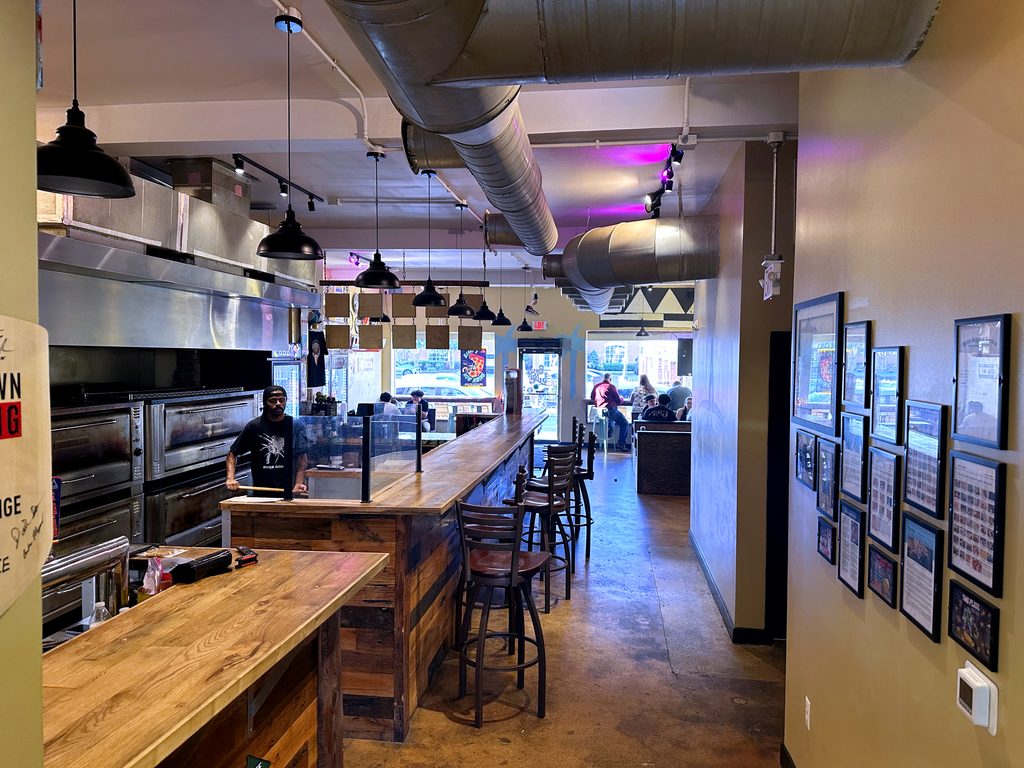
We’ve now visited five Benny’s locations around Virginia. The enormous slices are reason enough to keep stopping, but each location has its own personality and decorations, which has turned visiting different ones into a small adventure of its own.
This time my choice was the spicy sausage crumbles.
After airplanes, spacecraft, stores and pastries, an enormous slice of pizza seemed like a perfectly reasonable way to end the expedition.
The Mission We Didn’t Plan
We never made it to Great Falls.
We’ll get there.
Instead, a mission that had effectively been scrubbed became something else.
I got to stand beneath aircraft that changed aviation.
I got to see Discovery again.
I wandered through a store we hadn’t originally planned to visit, discovered a bakery along the way, and finished the day eating a giant slice of pizza in another Benny’s we’d never visited before.
And somewhere in the middle of all of it, I was reminded why a spacecraft that last flew fifteen years ago can still mean something to me.
Sometimes exploration is about reaching the destination you carefully plotted beforehand.
Sometimes it’s about changing course.
The important part is that you still go.
U.S.S. Endeavour
Always Seeking the Horizon